
834 Words | 4 min read
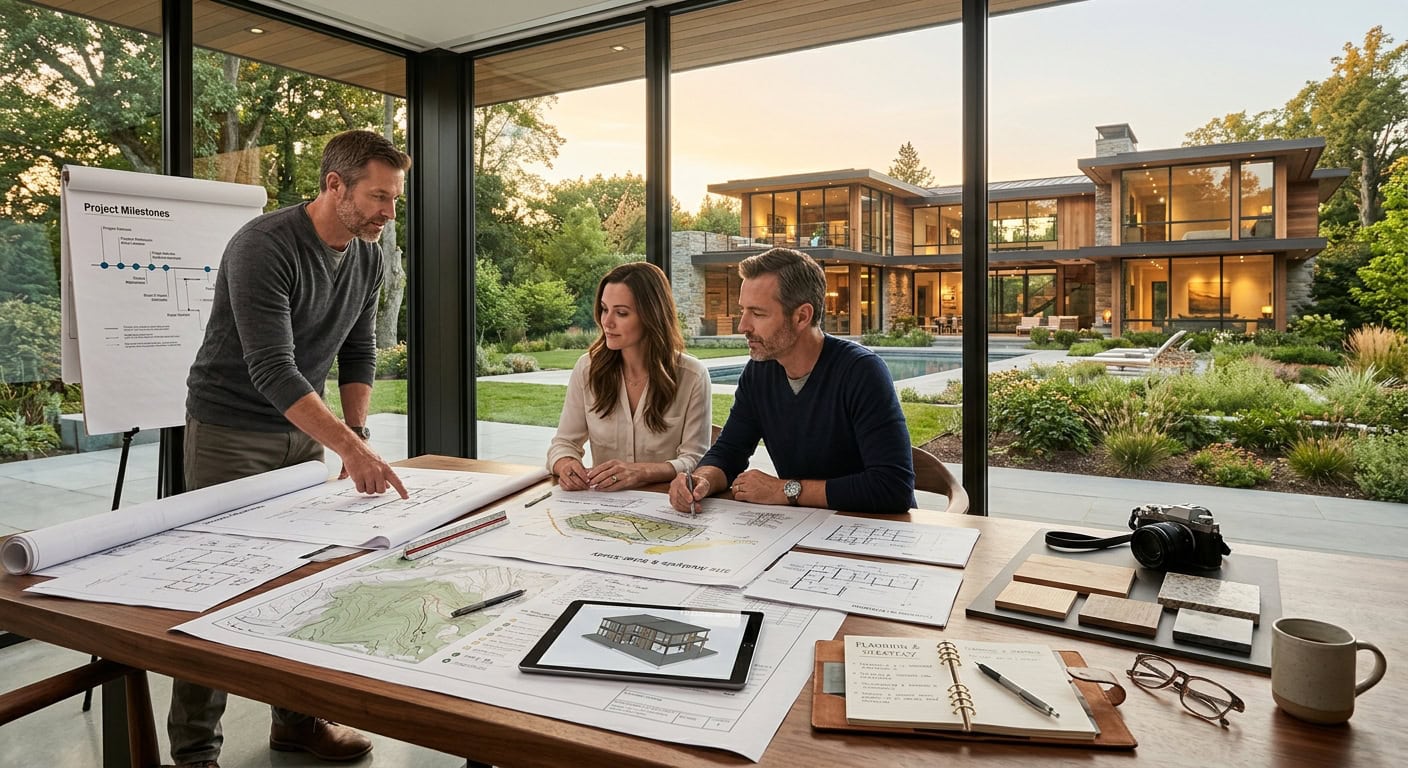
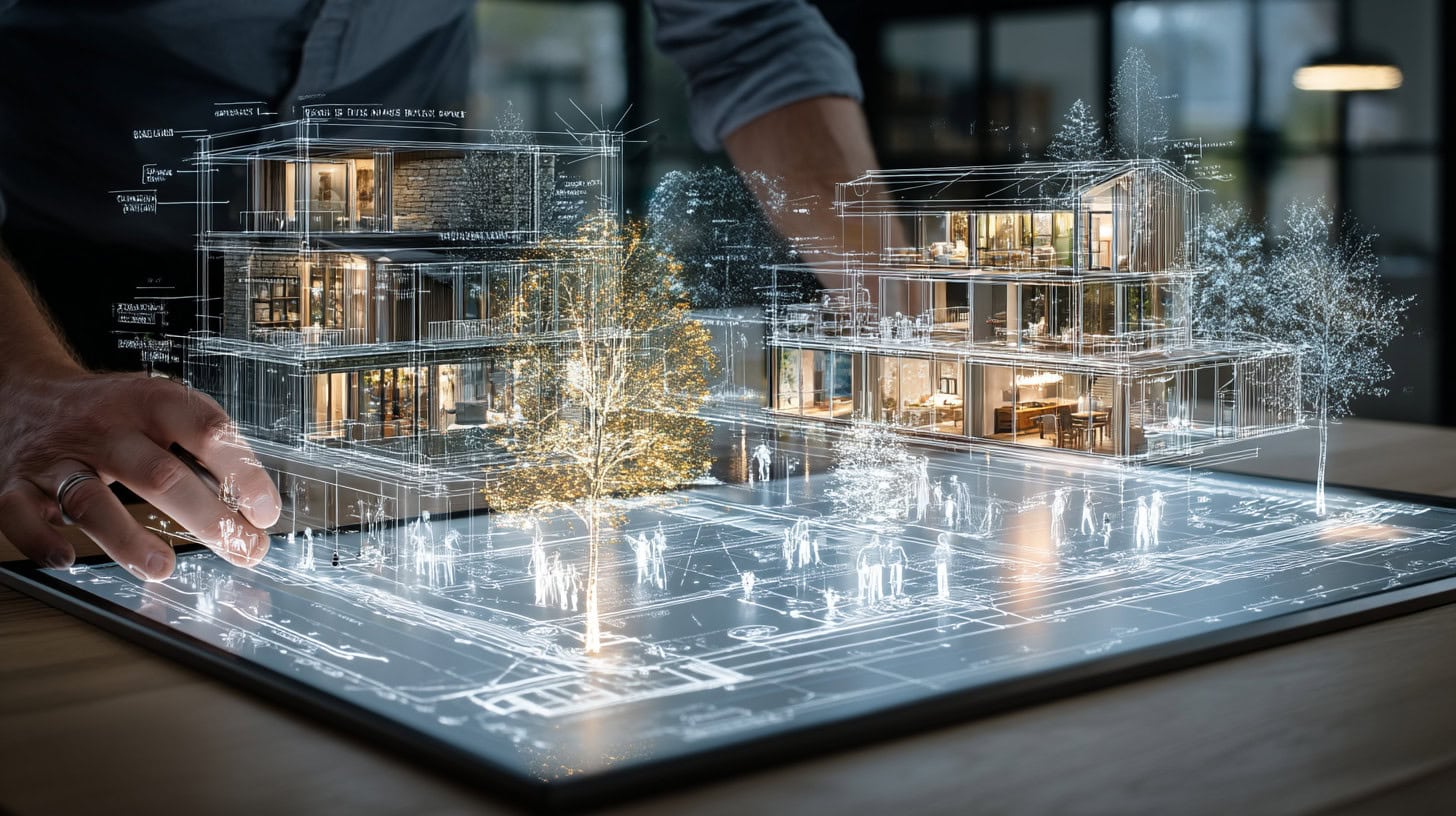
Most people assume the first step toward a new custom home is hiring an architect to begin drawing floor plans, exterior elevations, 3D models, and renderings.
Those tools are important, but they aren’t where great projects begin. The most successful homes start with something much less exciting, a plan. Not a design plan, a project plan.
And that distinction can make the difference between a smooth, enjoyable experience and a project filled with frustration, delays, budget surprises, and difficult decisions.
Why Homeowners Often Start in the Wrong Place
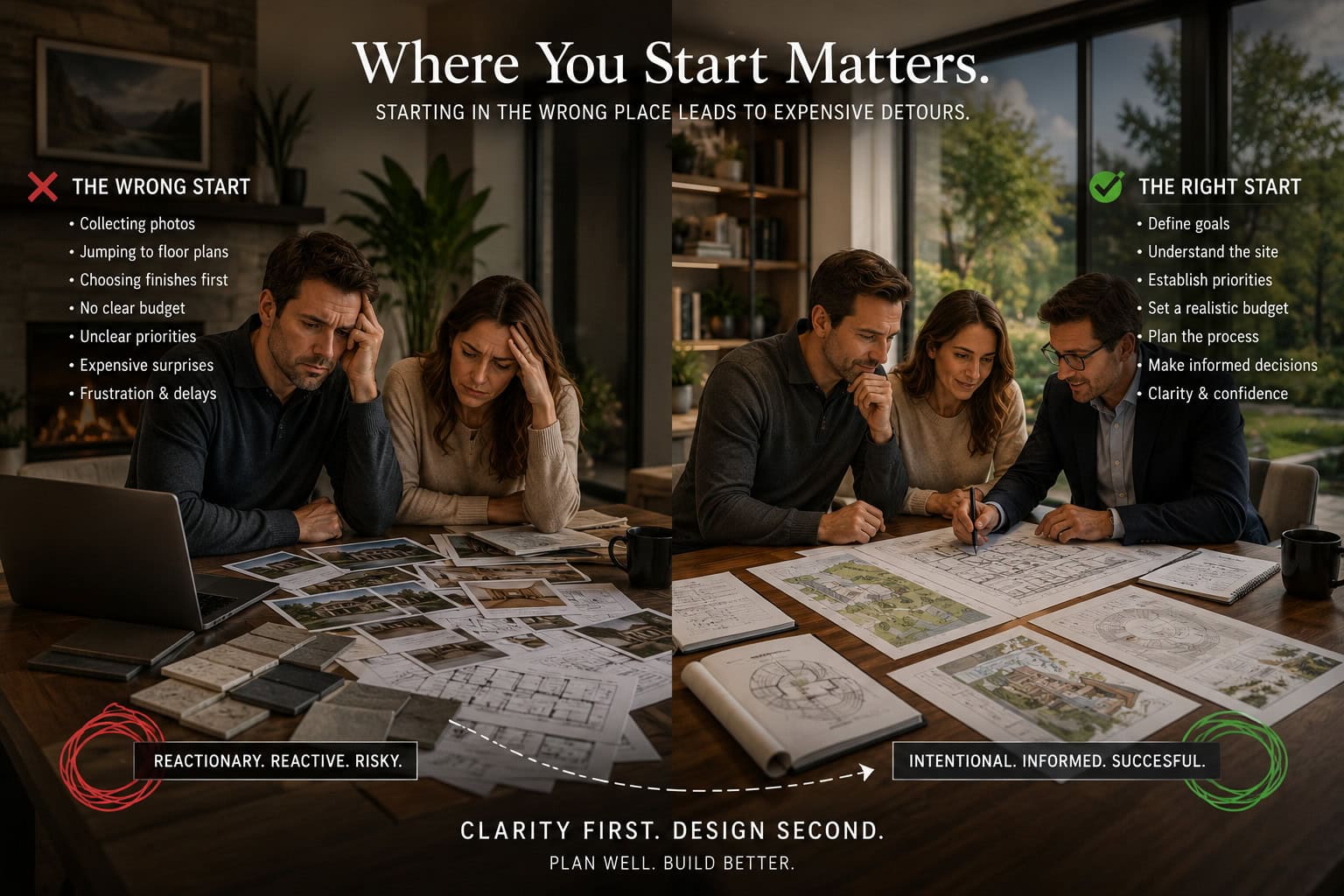
When homeowners begin exploring a custom home, major renovation, or vacation property, their attention naturally gravitates toward visible outcomes.
They begin collecting photos, saving Pinterest boards, touring open houses, studying floor plans, and researching finishes. All of those activities can be helpful. But they don’t answer the questions that ultimately determine whether the project succeeds.
Questions such as:
- What are we actually trying to accomplish?
- What does success look like?
- What should our budget realistically support?
- How does the site influence the design?
- What are the biggest risks?
- Which decisions need to happen first?
- Who should be involved and when?
Without answers to those questions, even beautiful design work can lead a project in the wrong direction.
The Real Goal Is Reducing Uncertainty
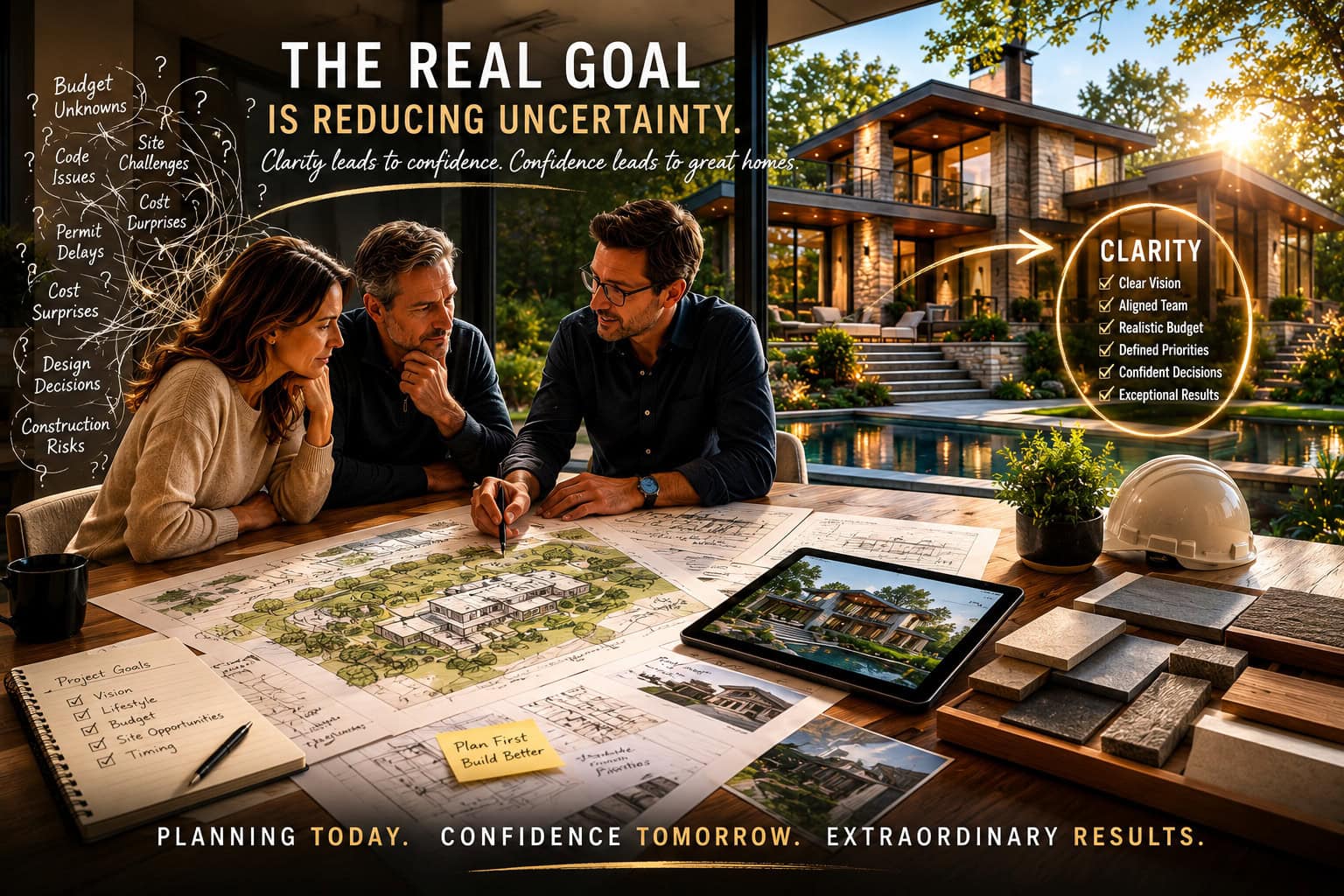
Many people think architecture is primarily about creativity. In reality, one of the architect’s most important responsibilities is helping homeowners reduce uncertainty. Every project begins with unknowns.
- Budget unknowns.
- Site unknowns.
- Regulatory unknowns.
- Construction unknowns.
- Lifestyle unknowns.
The planning process exists to clarify those unknowns before significant time and money are invested in design and construction. This process establishes project criteria, budgets, schedules, site opportunities, code considerations, and decision-making priorities before design moves forward. The goal isn’t simply to create a home. The goal is to create confidence.
Great Homes Are Built Through Alignment
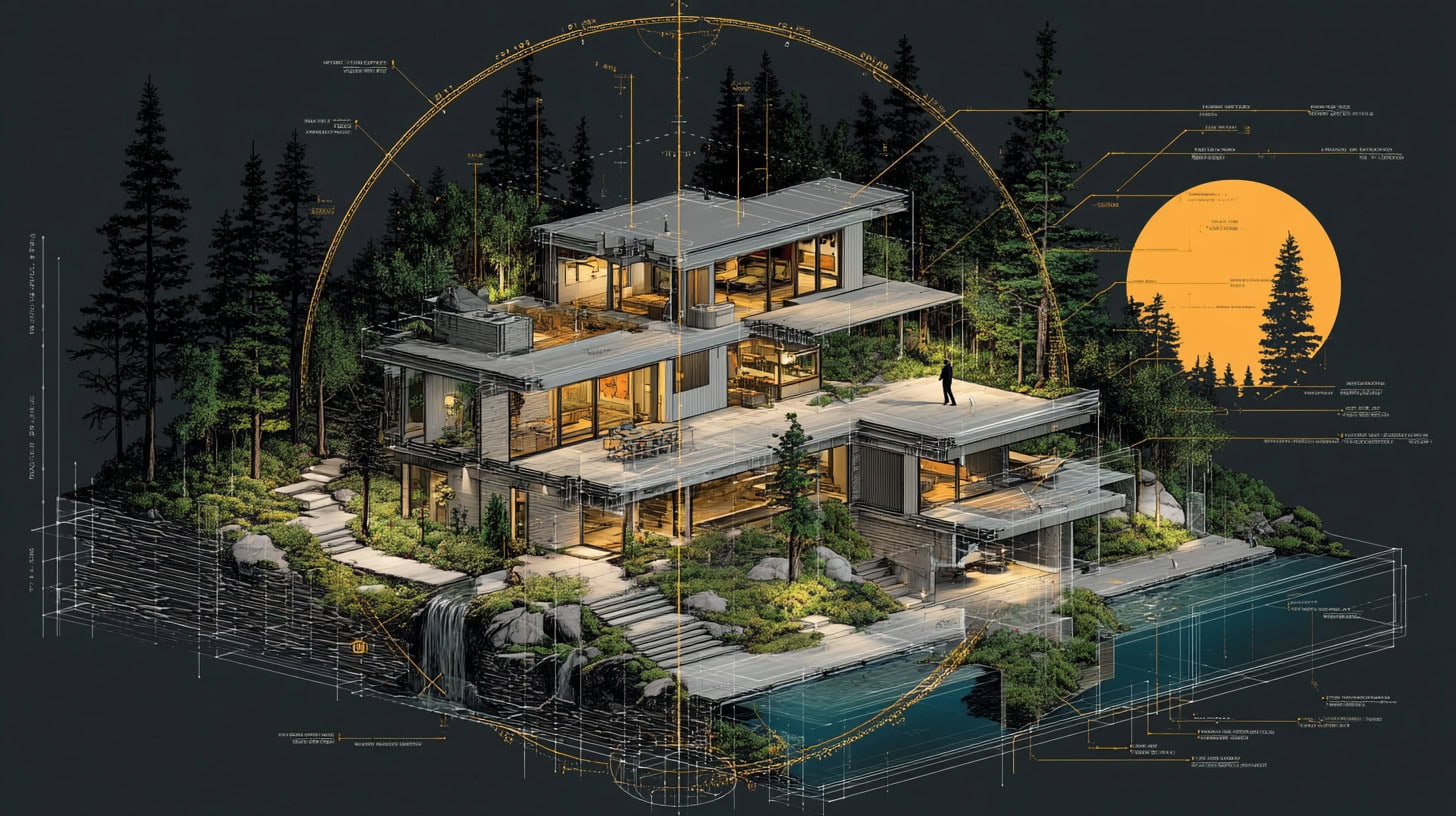
The best projects are rarely the result of a single brilliant design idea. They’re the result of hundreds of decisions working together toward a common goal. That only happens when everyone involved understands:
- The vision
- The priorities
- The budget
- The timeline
- The desired outcome
Architects, builders, interior designers, landscape architects, engineers, and homeowners all bring different perspectives to a project. Planning creates alignment between those perspectives. Without alignment, teams solve problems independently. With alignment, they solve problems collaboratively. The result is a project that feels intentional from beginning to end.
The Planning Questions That Matter Most
Before design begins, homeowners benefit from exploring a few foundational questions.
- How do you want to live?
- What experiences should your home support?
- What frustrations are you trying to eliminate?
- What activities matter most to your family?
- How long do you intend to stay in the home?
- What level of investment feels appropriate?
- What characteristics of the site should be celebrated?
These questions may seem simple, but they often reveal opportunities that dramatically influence a project’s direction. MEBA’s planning process begins with programming, site analysis, budget discussions, schedule planning, and project criteria development specifically to answer these questions before design advances.
Design Is More Effective When Planning Comes First
When planning is rushed, design often becomes an exercise in reacting. Reacting to budget challenges, reacting to site limitations, reacting to permit issues, reacting to unexpected discoveries.
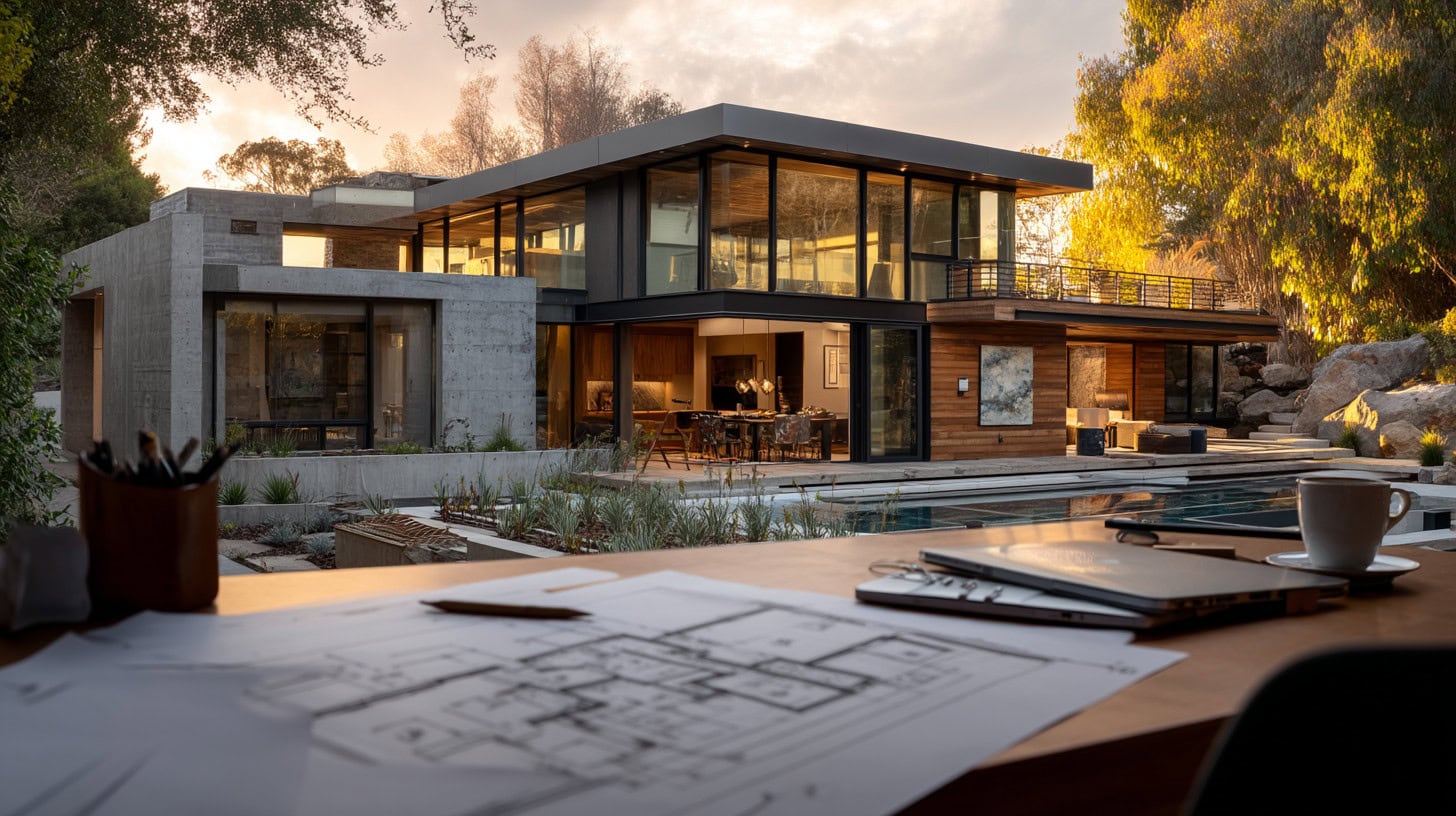
When planning happens first, design becomes proactive instead. The project team understands the constraints. The opportunities become visible. Priorities are clear. Decisions become easier. And the design process becomes significantly more enjoyable. The result isn’t just a better house. It’s a better experience.
Clarity Creates Confidence
One of the most valuable outcomes of planning is confidence.
- Confidence that the project is achievable.
- Confidence that the budget supports the vision.
- Confidence that the team is moving in the right direction.
- Confidence that major decisions are being made intentionally rather than emotionally.
That’s why we spend significant time helping homeowners understand their project before design begins. Because the best projects don’t start with certainty. They create certainty through planning.
Start With Clarity
Whether you’re considering a new custom home, a major renovation, or evaluating a potential property, the most important first step isn’t selecting finishes or drawing floor plans. It’s gaining clarity.
Our Planning Resources are designed to help homeowners better understand the process, evaluate project readiness, establish priorities, and make informed decisions before committing to design and construction. These resources guide homeowners through understanding the architectural process, project readiness, budgeting, team selection, and planning considerations that influence project success. Because the best home projects don’t begin with drawings, they begin with understanding.
Ready to explore what’s possible?
Visit our Planning Resources page to download the Project Planning Pack and Architectural Process Guide, or schedule an introductory conversation to discuss your goals, priorities, and vision for your future home.
Related Resources:
- Why Great Homes Begin With Better Questions
- The Most Important Design Decisions Happen Before the Floor Plan
- Project Planning Pack
- Architectural Process Guide
- Selecting the Right Architect
